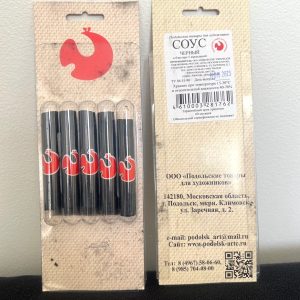

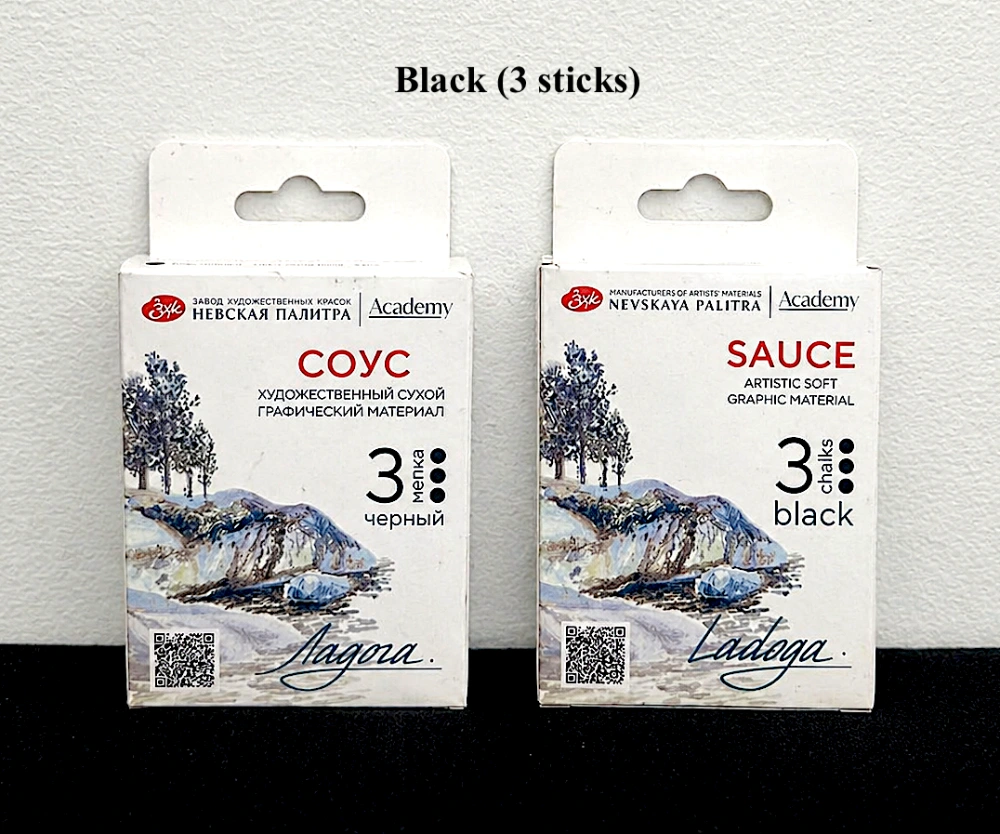
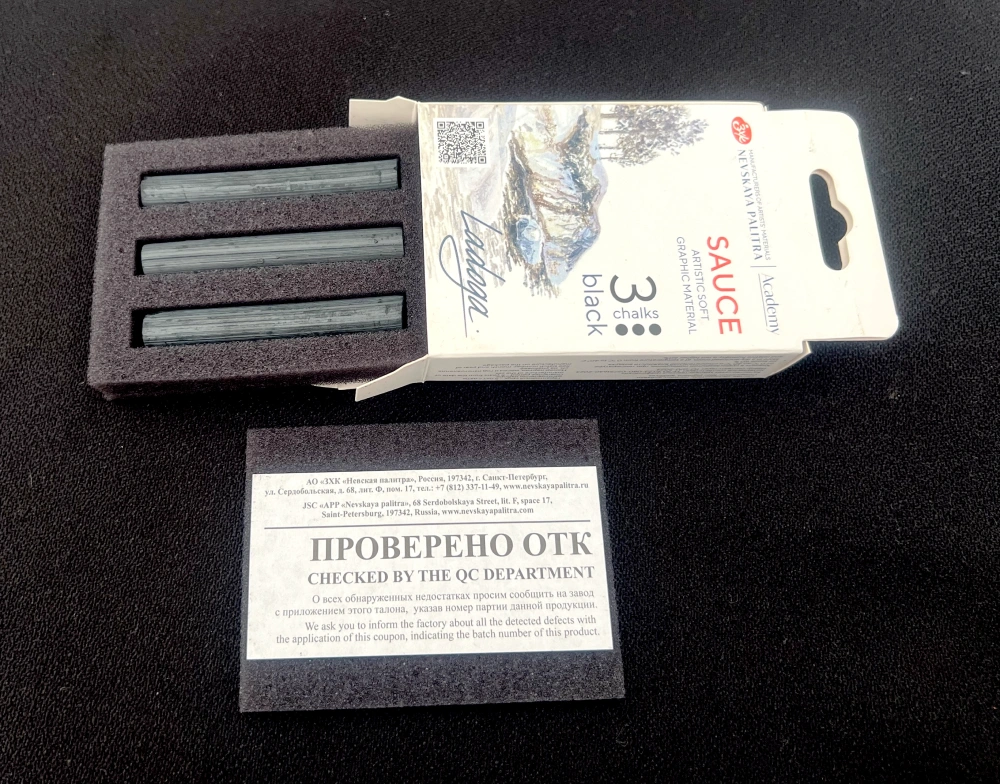
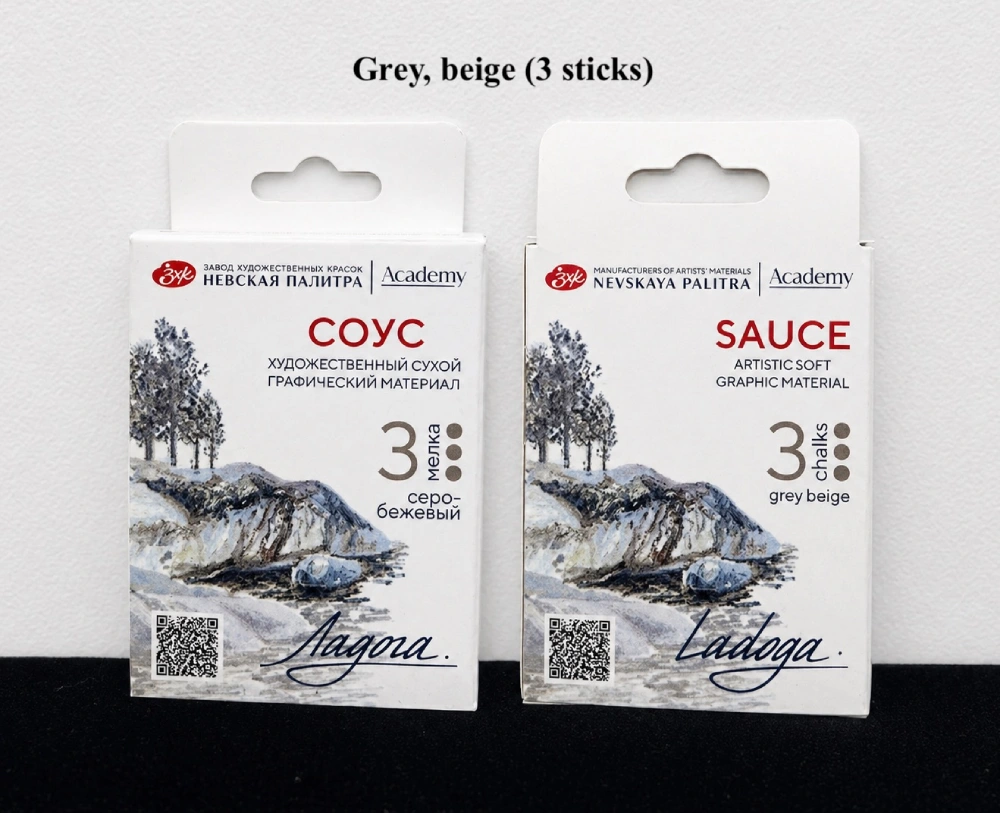
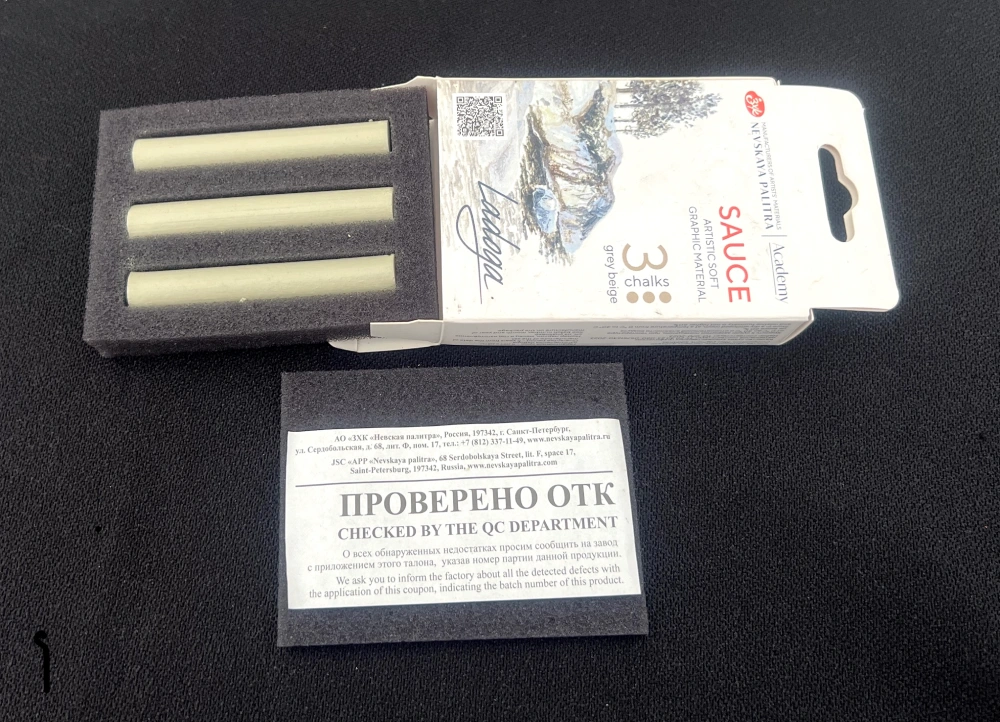
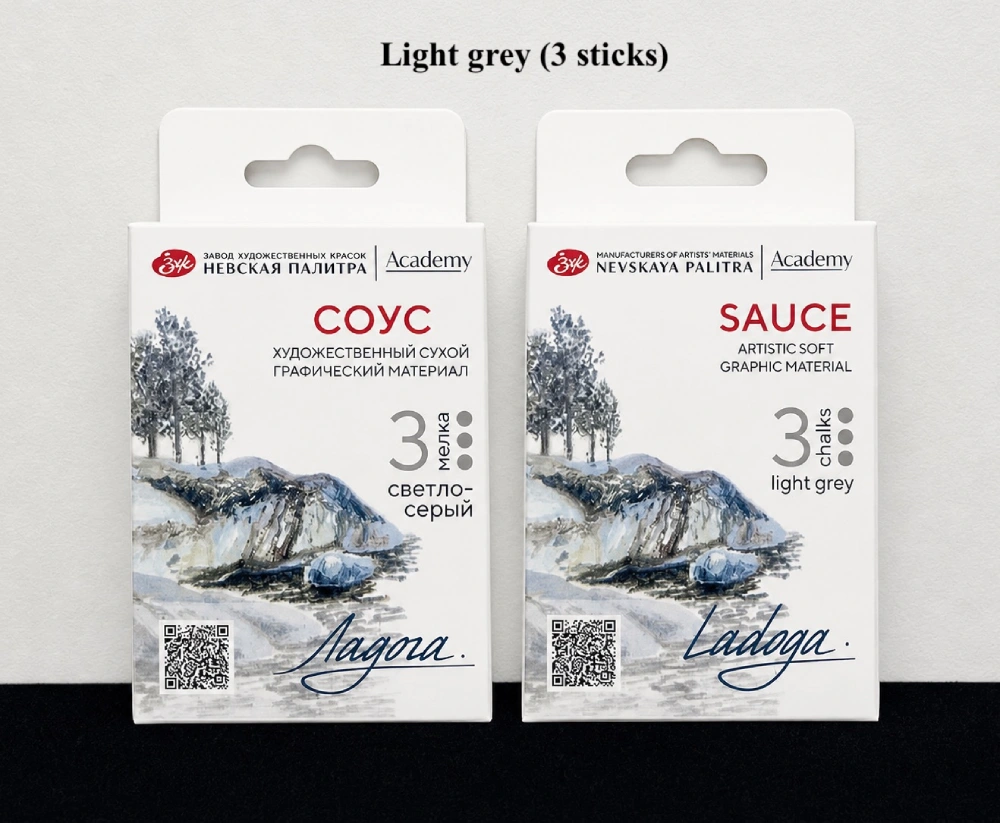
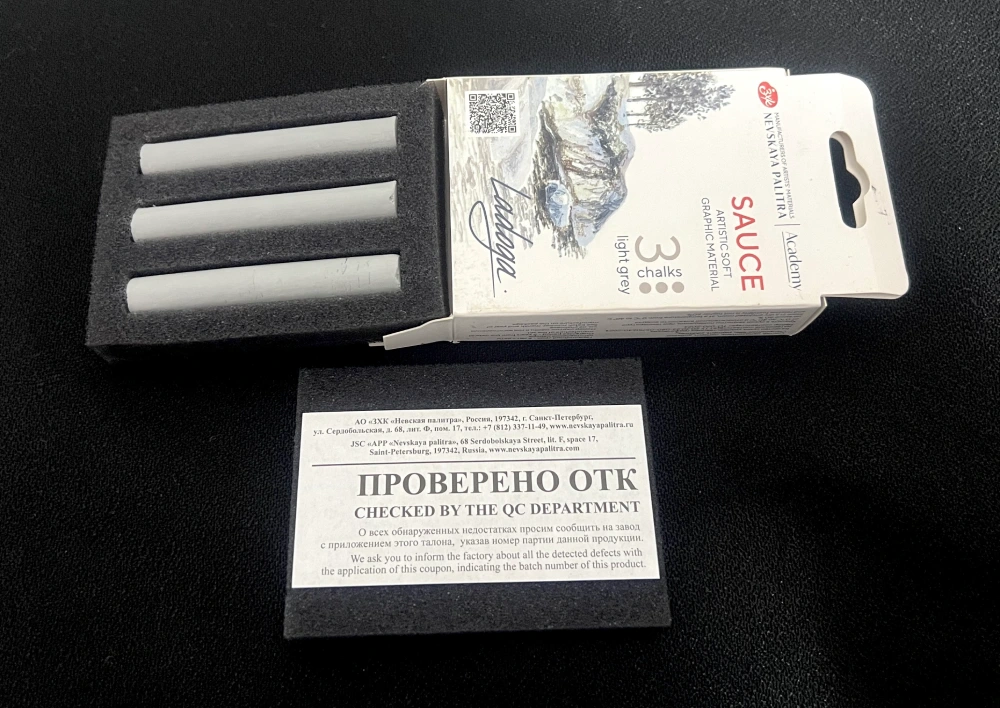
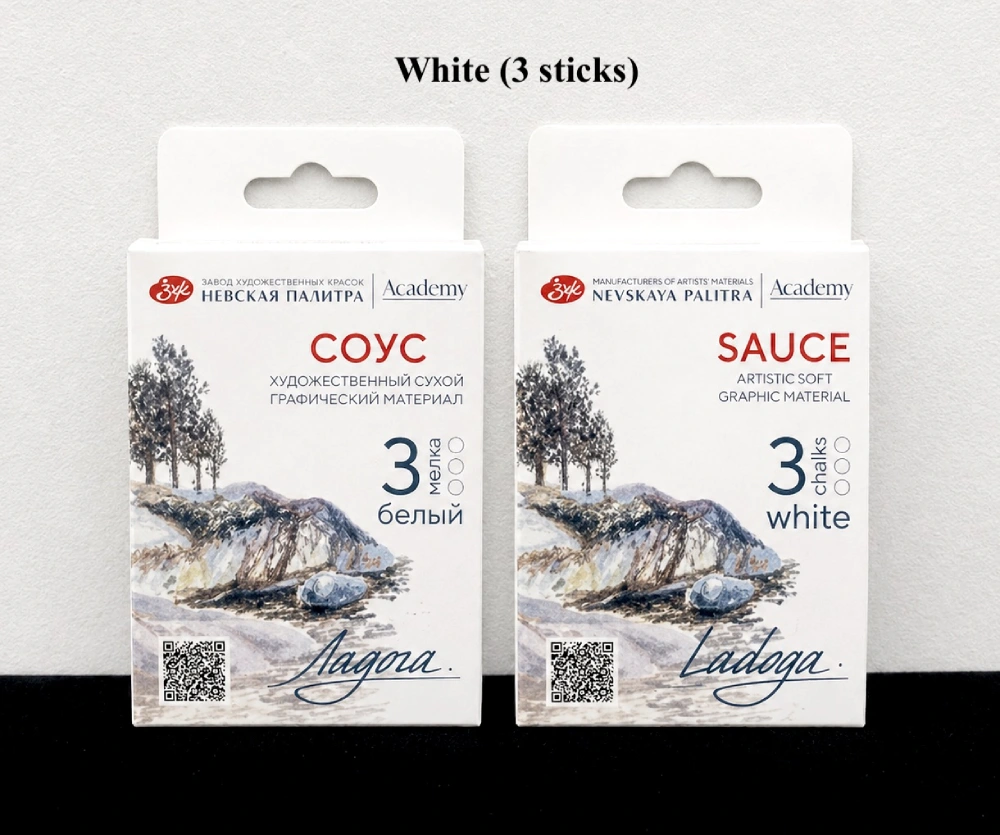
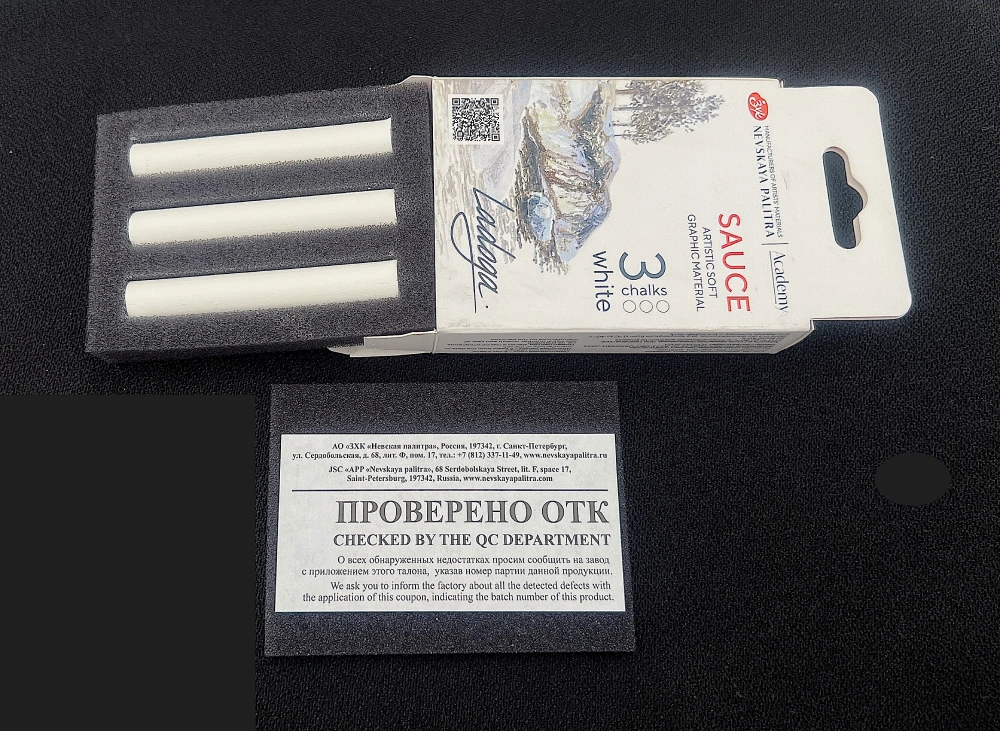
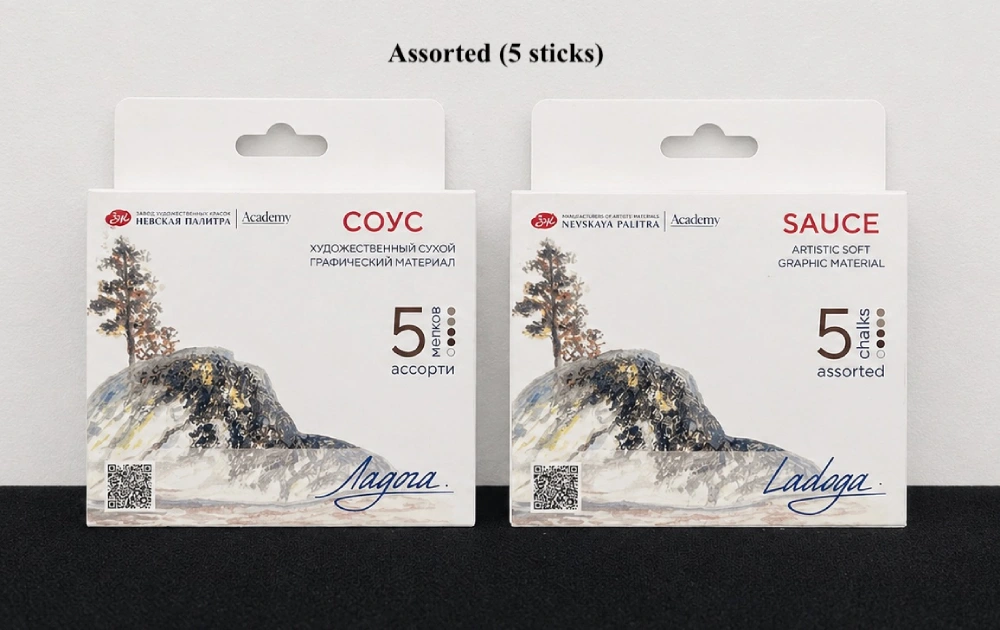
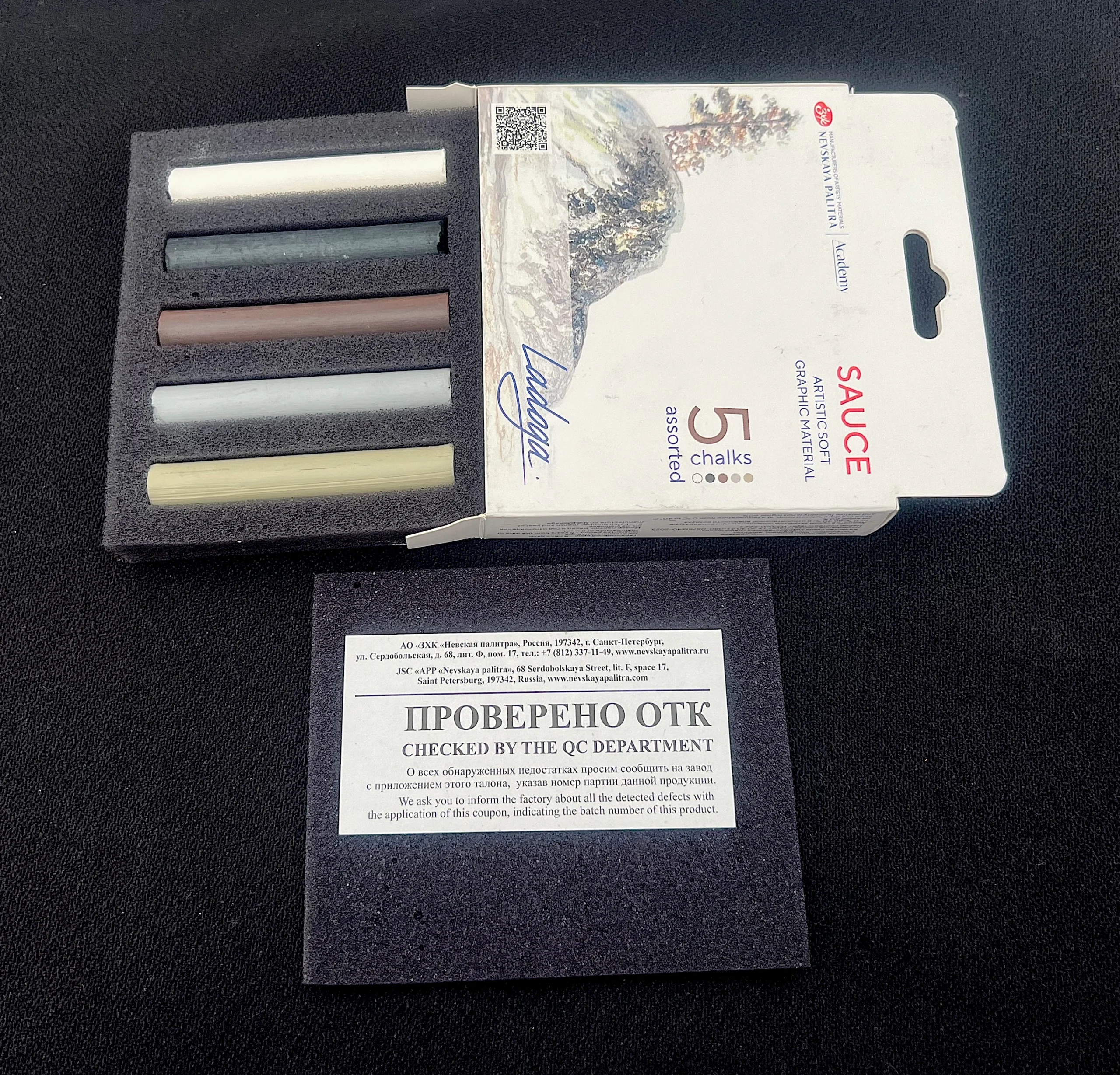
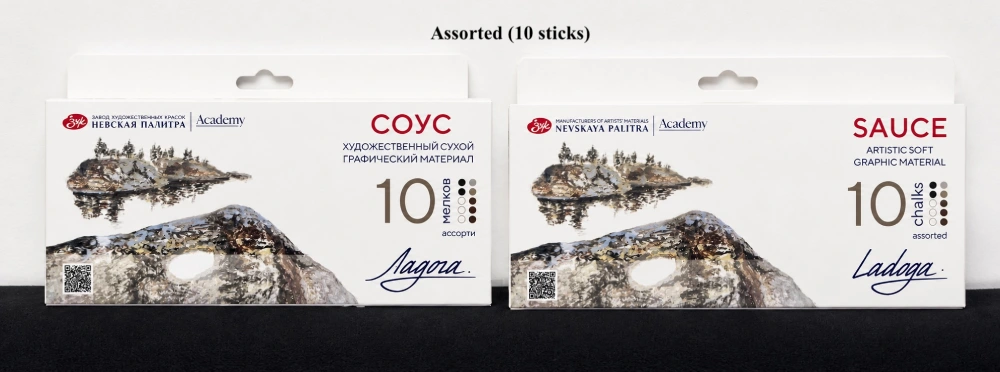
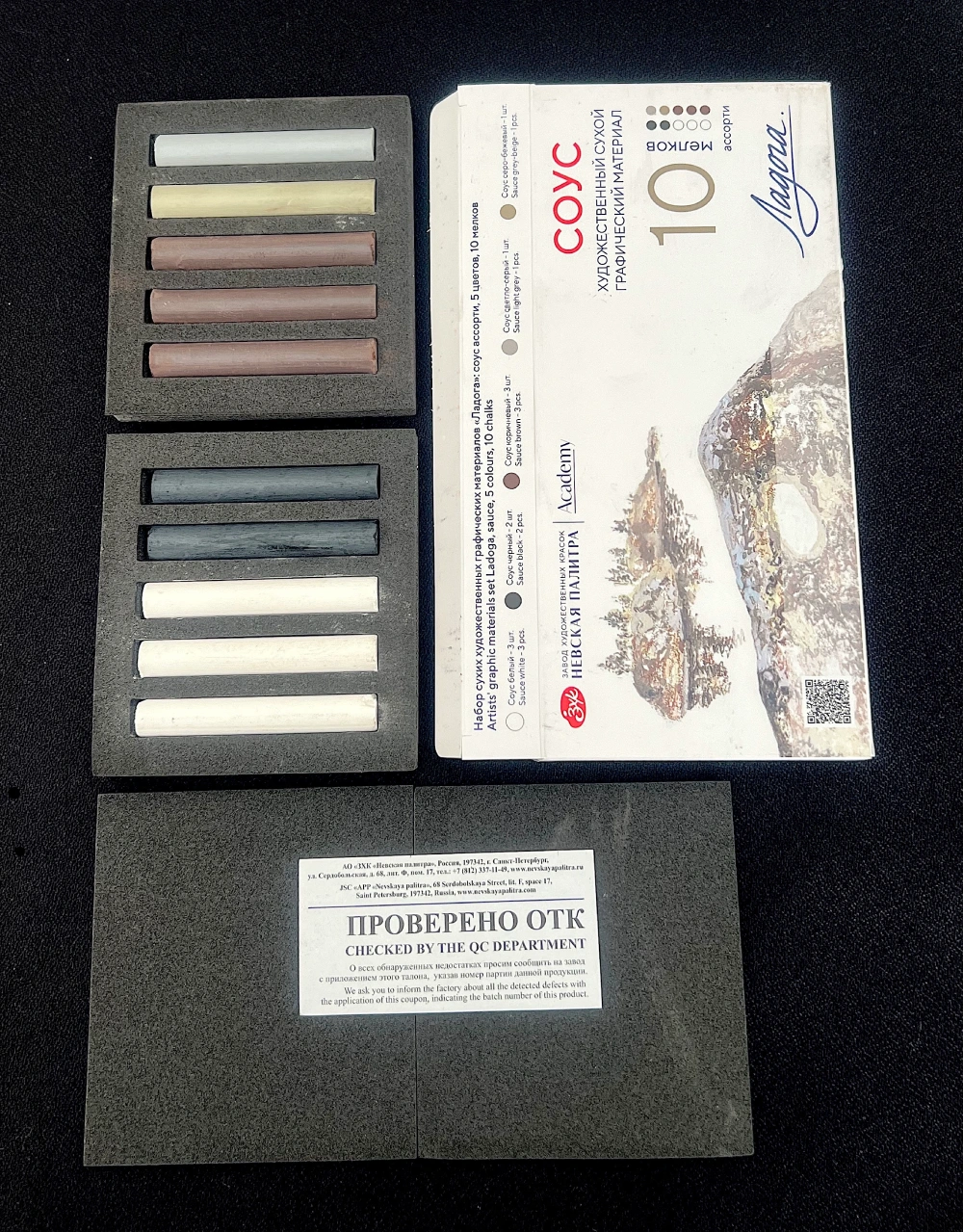
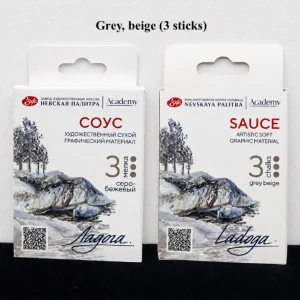
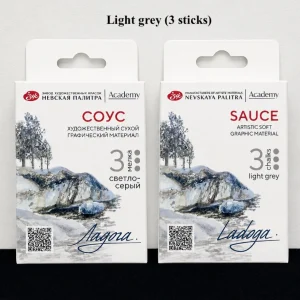
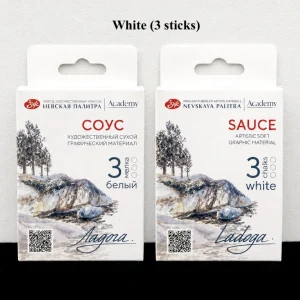
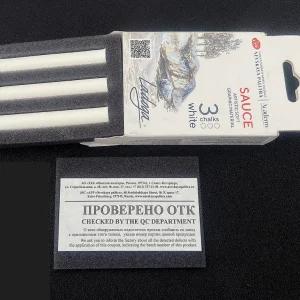
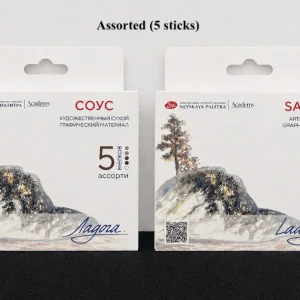
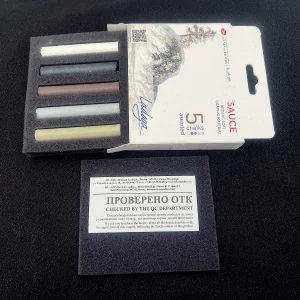
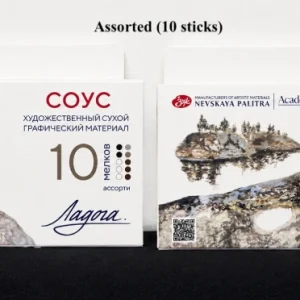
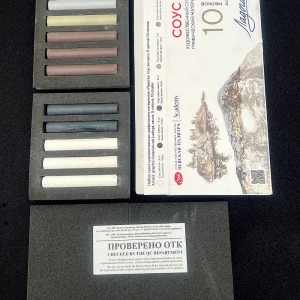

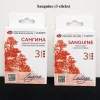
Skill-Based Art: A Learning Resource for Art-Students & Artist-Teachers (SBA)™ is a proud supplier of Nevskaya Palitra’s ‘Ladoga’ line of drawing sauces, as well as sanguine and sepia soft pastels in Australia.
Nevskaya Palitra is a Russian artistic paints plant based in St. Petersburg that was founded in 1934. For over 85 years, they have been producing high quality paints and satisfying the needs of artists globally. Today, they are the only Russian art materials company with a full cycle of production for their products.
Initially, the company was based at a paints and coatings factory which was built by Julius Friedlander in 1900, who was an English technologist. The factory was situated on the embankment of Chernaya Rechka (Black River) in St. Petersburg. On December 1, 1934, in accordance with the order of G.K. Ordzhonikidze, the Leningrad Artistic Paints Plant of the All-Russian Association of the paints and coatings industry entered the list of operating factories.
Since its founding, the Nevskaya Palitra plant has kept up to date with technological innovations and worked closely with artists to get their feedback on how they can improve their products to address the needs of artists. This level of commitment and their extensive experience has resulted in the company developing a high reputation.
Nevskaya Palitra’s innovative developments in artist materials that are proven through traditional recipes and time-tested formulations has resulted in their paints becoming recognised all over the world. Eminent artists of Russia, the Commonwealth of Independent States (CIS), the Baltics, Europe, the USA and China use their paints and trust them unconditionally. Their paints are traditionally used for restoration of masterpieces from the collections of the State Hermitage, the State Russian Museum and the State Tretyakov Gallery.
Today, the Nevskaya Palitra plant manufacturers a range of professional grade artist paints which include; tempera, oil, watercolour, acrylic, gouache and pastels. They also produce Kolinsky Sable and Squirrel-hair paintbrushes. In recent years, they expanded their offerings by introducing a line of graphic materials which include Russian drawing sauces as well as sanguine and sepia soft pastels.
Sauce or “coyc” as it is termed in Russian, is a unique Russian drawing and painting medium that is commonly used in the Russian academic tradition. The origins of the medium are unclear, however, it became a favourite medium among Russian artists during the early 1900s.
The physical property of the medium is similar to a soft pastel and it comes in the form of solid sticks. It is made from a unique clay that is taken from Chasov Yar in Ukraine, which is mixed with natural pigments, carbon and binder. Known for its versatility, sauce can be used either wet or dry. In the Imperial Academy of Fine Arts, it is used to create portrait studies, as well as drawings of the human figure.
Although sauce is a well-known medium throughout Russia, it is relatively unknown in other countries due to the difficulties of importing it. In the United States and China, imitation brands have emerged over the years, however, these are not the original products that come from Russia.
Historically, the medium was only manufactured by the Podolsk Production Plant during Soviet Times, who are the original manufacturers of Russian sauce. However, in 2024, Nevskaya Palitra introduced their own ‘Ladoga’ line of graphic materials which include Russian drawing sauces, as well as sanguine and sepia soft pastels.
The inclusion of these new graphic materials is not just an expansion of Nevskaya Palitra’s product range, but rather the fulfillment of their overall mission, which is to provide the art community with a full line of professional materials and tools proven by tradition and created with the finest quality ingredients available.
Nevskaya Palitra’s goal in developing the drawing sauces as well as sanguine and sepia soft pastels is to give artists accessibility to these historic materials, as well as confidence in knowing that the materials are of the highest possible quality that feature:
- Historical Accuracy – Colours are aligned with classical standards
- Harmonious shade system – Aesthetically pleasing and practical triad of shades including light, classic and dark for sanguine and sepia
- Application quality – The materials provide predictable and high-quality result on paper, with controlled line density and shading
In effort to propagate the Russian academic tradition in Australia, SBA is proud to announce that we are a supplier of Nevskaya Palitra’s ‘Ladoga’ line of drawing sauces, as well as sanguine and sepia soft pastels. These items are currently in stock and are shipped from Melbourne, Australia.
Application methods:
Sauce is a versatile medium that can be used either dry or wet.
Sanguine and sepia soft pastels must be used only dry.
When sauce is used dry, it is similar to a soft pastel, however, it differs from other materials such as charcoal because of its wide and subtle tonal range. Sauce is very soft and produces almost no dust. When applied to paper, it gives a smooth, velvety sensation which feels somewhat greasy, but not oily.
There are various ways of using the sauce wet. It can be applied dry then a soft brush with water can be used to re-activate the sauce and turn it into a wet media that is similar to watercolour in its consistency. After drying, it takes on the properties of a graphite pencil and can be removed with an eraser, due to its clay content. Subsequently, it can be re-worked either wet or dry.
Alternatively, for wet applications, the sauce can be ground in a mortar and pestle to form a powder and added to water in which it will dissolve completely. It can then be used for painting, similar to an ink wash. Because of the high tinting strength of the sauce, grinding just a few grams provides substantial coverage.
Due to the sauce’s soft materiality, its particles sit between the fibres of the paper, therefore, fixative is not necessary to seal the finished work (the sanguine and sepia soft pastels also don’t require fixing). It is recommended to use either hot pressed or cold pressed cotton rag paper when working with either sauce or sanguine and sepia soft pastels.
Sauce, sanguine and sepia soft pastels are most commonly used in the Imperial Academy of Fine Arts in St. Petersburg, Russia to draw portraits and the human figure.
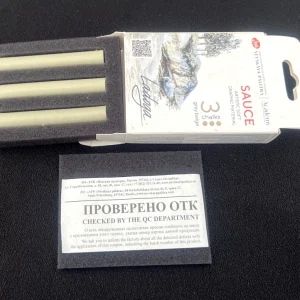
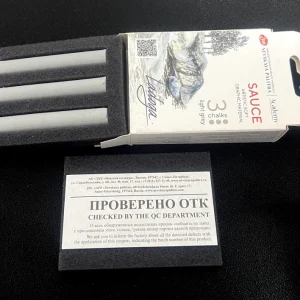
*Due to the fragile nature of the drawing sauces, as well as the sanguine and sepia soft pastels, some sticks may be broken inside the packaging.